
Liberty Theatre vs. Apollo Theater and the 1980s
Despite being located on almost opposite sides of the Atlantic coast, the Liberty Theatre shares much in common with the Apollo Theater in New York City. Both are historic theaters built in the early 20th century that are culturally significant to the Black community but fell into disrepair after desegregation. Both theaters have re-opened since and continue to be Black landmarks in their respective communities.
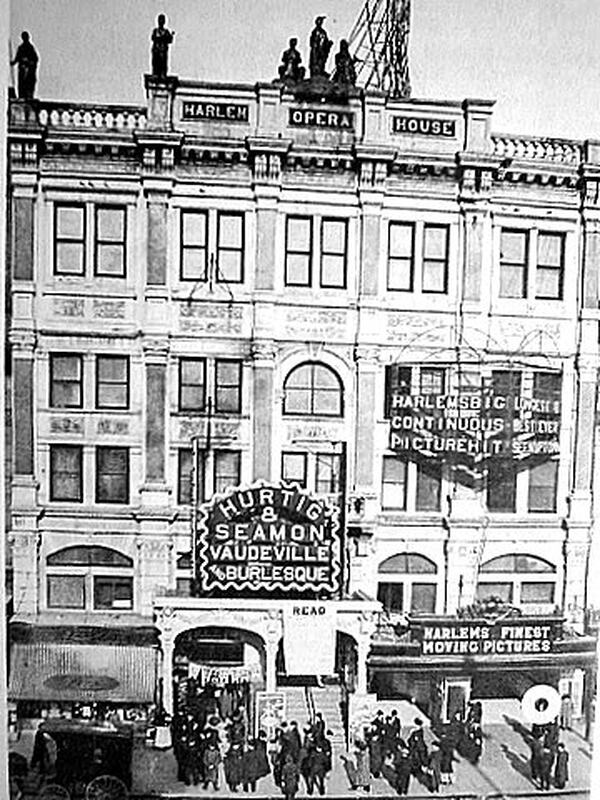
As iconic as it now is, the Apollo Theater wasn't always named that way. The theater was originally opened in late 1913 as "Hurtig & Seamon's New Burlesque Theater" after Jules Hurtig (1868-1928) and Harry Seamon (1865–1938), the producers leasing it ("Apollo Theater"). Despite its location in Harlem, however, its owners denied entry to Black patrons. While we now think of the area as a hub for African-American art and culture, Harlem was predominantly White before the Harlem Renaissance in the 1920s (New York SP Apollo Thater 4). The Liberty Theatre, on the other hand, has been a cornerstone of the Black community in Columbus since it was built in 1925 (Ellerbee 54).
Business was steady at Hurtig & Seamon's, which eventually adopted the name "Apollo," for two decades. However, when New York Mayor Fiorello La Guardia (1882-1947) shut down burlesque theaters throughout the city, the Apollo was converted into a Black performance venue. This shift came towards the end of the Harlem Rennaisance, in 1934, and the theater quickly became popular with Black performers and audience members alike (New York SP Apollo Thater 4).
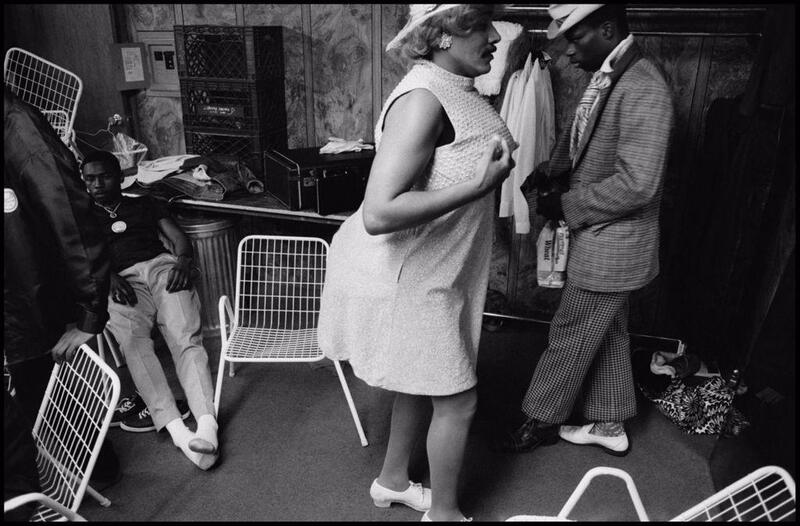
Along with more traditional shows, the Apollo also hosted an event called "Amateur Night," where anyone could sing, dance, or perform for an audience. These Amateur Nights have been the starting point for many famous performers, including Ella Fitzgerald (1917-1996), Billie Holiday (1915-1959), Jimi Hendrix (1942-1970), and the Jackson 5 ("Apollo Theater," "History").
While the Liberty pivoted to mainly showing movies after the jazz age (Ellerbee 57-58), live performance at the Apollo continued to grow in popularity throughout the 40s and 50s. As popular tastes shifted, vaudeville and big band were replaced with R&B, Gospel, and Rock (New York SP Apollo Theater 6).
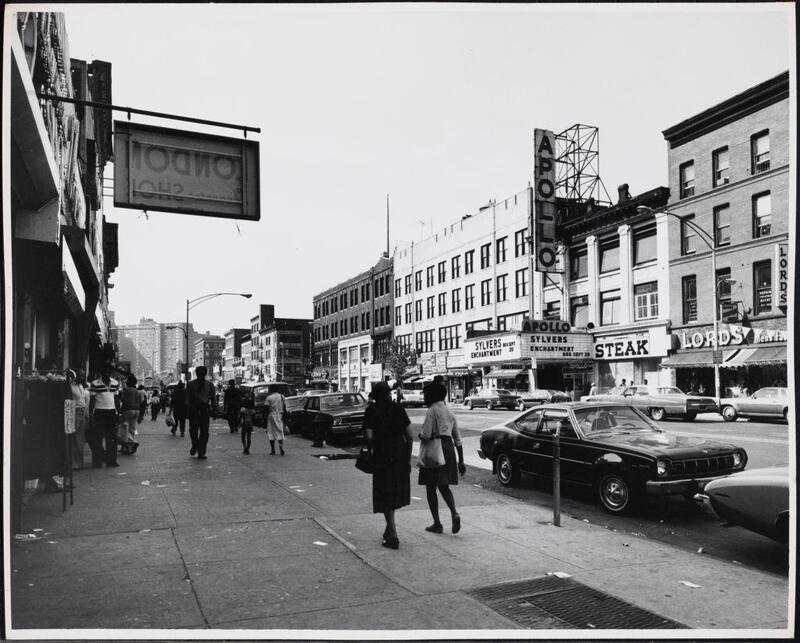
Business began to slow, however, in the mid-1960s. The Civil Rights Act of 1964 was an undeniable step forward for racial equality, but Black artists' newfound freedom to perform in previously white-only establishments meant that both the Apollo and Liberty Theaters faced increased competition. Combined with a general decrease in live performances (due to improvements in recording technology) and Harlem's economic struggles, this spelled a slow decline for the theaters, which fully closed down in the mid-to-late 1970s (New York SP Apollo Theater 7, "About Us").
Fortunately, not all hope was lost for the theaters. After being purchased in 1981 by politician and businessman Percy Sutton (1920-2009), who sought to renovate it, the Apollo was added to the National Register of Historic places, just like the Liberty Theater (Ellerbee 59, "Apollo Theater"). The theater was reopened in 1985 after completing renovations, and, in 1992, ownership of the building was transferred to The Apollo Theater Foundation, Inc., a nonprofit dedicated to funding the Apollo and preserving its status as a cultural landmark ("History").
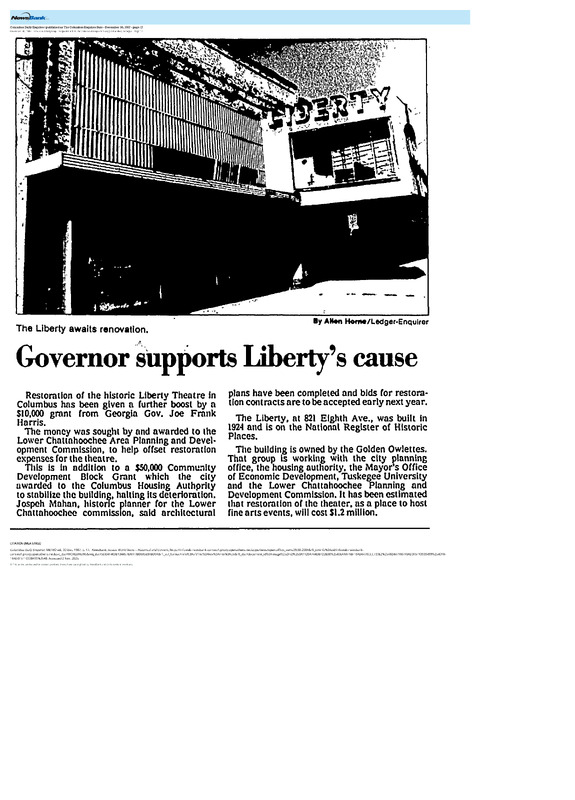
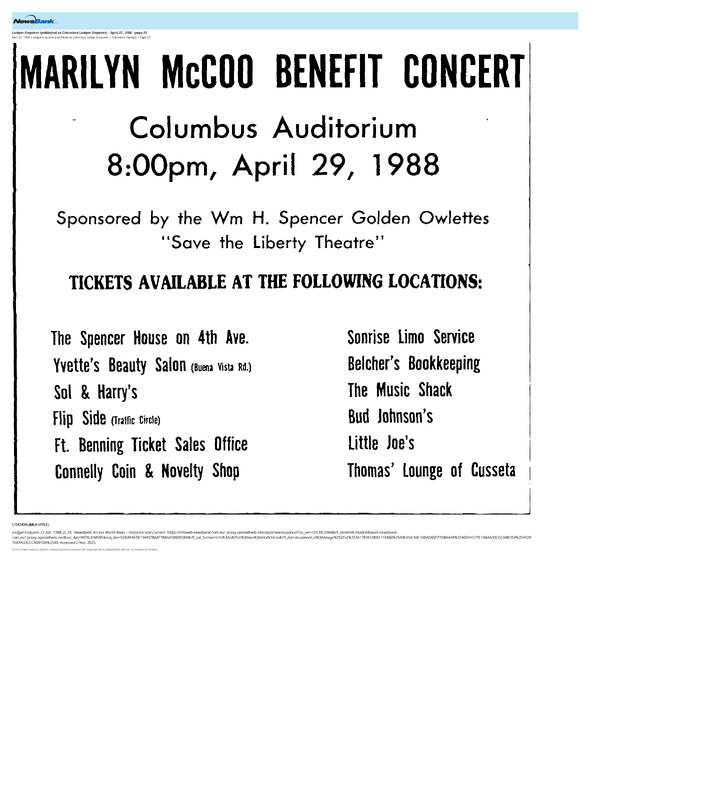
Plans to reopen the Liberty Theatre were made in the 1980s, with funds coming from grants from the city of Columbus and from the govenor of Georgia. Additional funds also came from a benefit concert. With all this community support, the Liberty was re-opened in 1997 ("About Us").
Currenly, both theaters are temporarily closed for renovations ("The Apollo Breaks Ground"). While the buildings are not open, the facility and its staff have held events in surrounding areas and have continued to be active in communicty engagement and education.