
Introduction
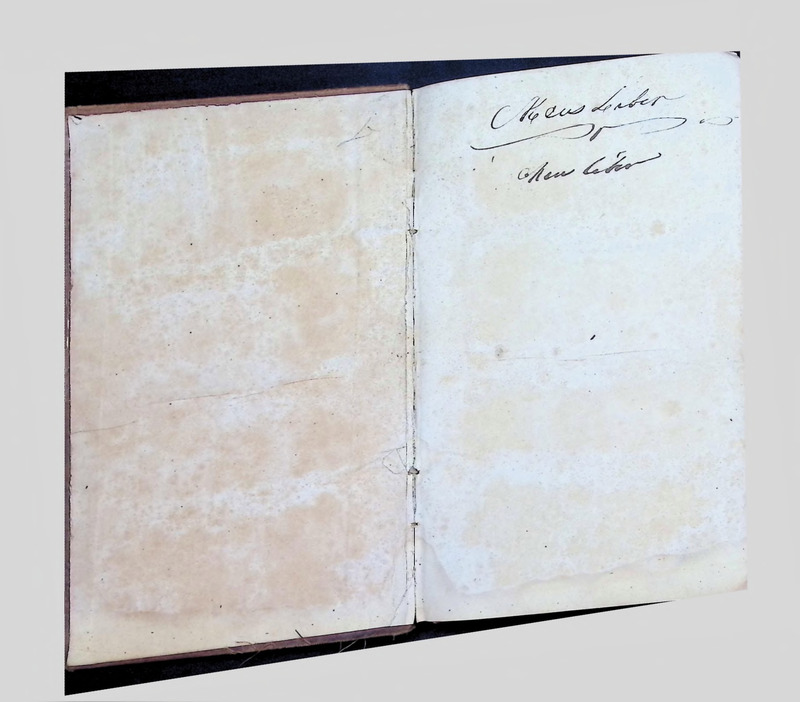
Books have long lives, and sometimes their paths are just as interesting as their contents. This exhibit explores an 1841 American edition of Edward Bulwer-Lytton's novel Night and Morning, a popular Victorian novel that somehow made its way from a New York publisher to the home of the first mayor of Columbus, Georgia. The book survived nearly two centuries of handling weather, movement, and ownership, eventually resurfacing through the Fontaine family materials kept by the Schley family.
Holding this copy means holding layers of history at once: the world of nineteenth-century publishing, the private reading life of a prominent Southern household, and the physical evidence left being on paper, cloth, and ink. The book has faint handwriting, worn cloth, and foxed pages, all telling a story separate from the novel itself.
This exhibit argues that this 1841 American edition of Night and Morning show how global print culture reached early Columbus, Georgia, and how books like this shaped the identity, values, and self-presentation of families, such as the Fontaines. By looking at its story, its physical wear, and the handwriting inside, we can trace how a popular Victorian novel became part of a Southern household's intellectual life and survived as a material object across generations.
The following pages explore the novel's historical context, the physical features of the book itself, the themes and plot that nineteenth-century readers encountered, and the ties to the Fontaine family.