
Browse Items (3886 total)
Sort by:


14. Horace King-Bridge builder

Born into slavery in South Carolina, Horace King (1807-1885) and his owner John Godwin moved to Columbus in 1832 to support the rapid development of recently ceded Creek lands. King and Godwin’s initial contract was Columbus’ first bridge…
5. Slavery and Trade

The trade in slaves and the labor they produced was the foundation of Columbus both in supporting the plantation economy of cotton and the city’s rising industrial power. Slaves built and worked in the mills and they labored as blacksmiths,…
17. Establishing Columbus

There were settlements on both banks of the Chattahoochee prior to the founding of Columbus. The community of Wewoka was home to three hundred people who lived in log cabins and tents along the eastern banks of the river. Residents were involved in…
16. Creek Indians

The Creek Indians, British, and Spanish colonists had established trading relationships in the American southeast since the seventeenth century. The Creeks were adept diplomats between these two European powers. However, the newly formed nation of…
3. Fall Line Rapids

Like its sister cities Macon, Milledgeville, and Augusta, Columbus, Georgia is located on the fall line. This predominant geological feature divides the more resistant geology of the Piedmont and the sedimentary rock Coastal Plain. The city is home…
12. Establishing Phenix City.

In June 1832, local entrepreneur Daniel McDougald and Robert Collins from Macon paid $35,000 for the one square mile grant directly across the Chattahoochee from Columbus that the Treaty awarded to mixed blood Benjamin Marshall. They published in the…
11. Columbus at Play

From the Creek game of stickball ( from which the game of lacrosse developed) in the nineteenth century along the banks of the river, to the twenty-first century whitewater rafting, Columbus’ recreation history is rich and colorful. Recreation…
10. Phenix City Story
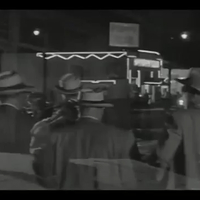
In the first half of the twentieth century, Phenix City, Alabama became a notorious haven of crime. Prohibition in Alabama began in 1915 (ended in 1933) and Phenix City developed as a large-scale alcohol manufacturing and distribution hub, along…